
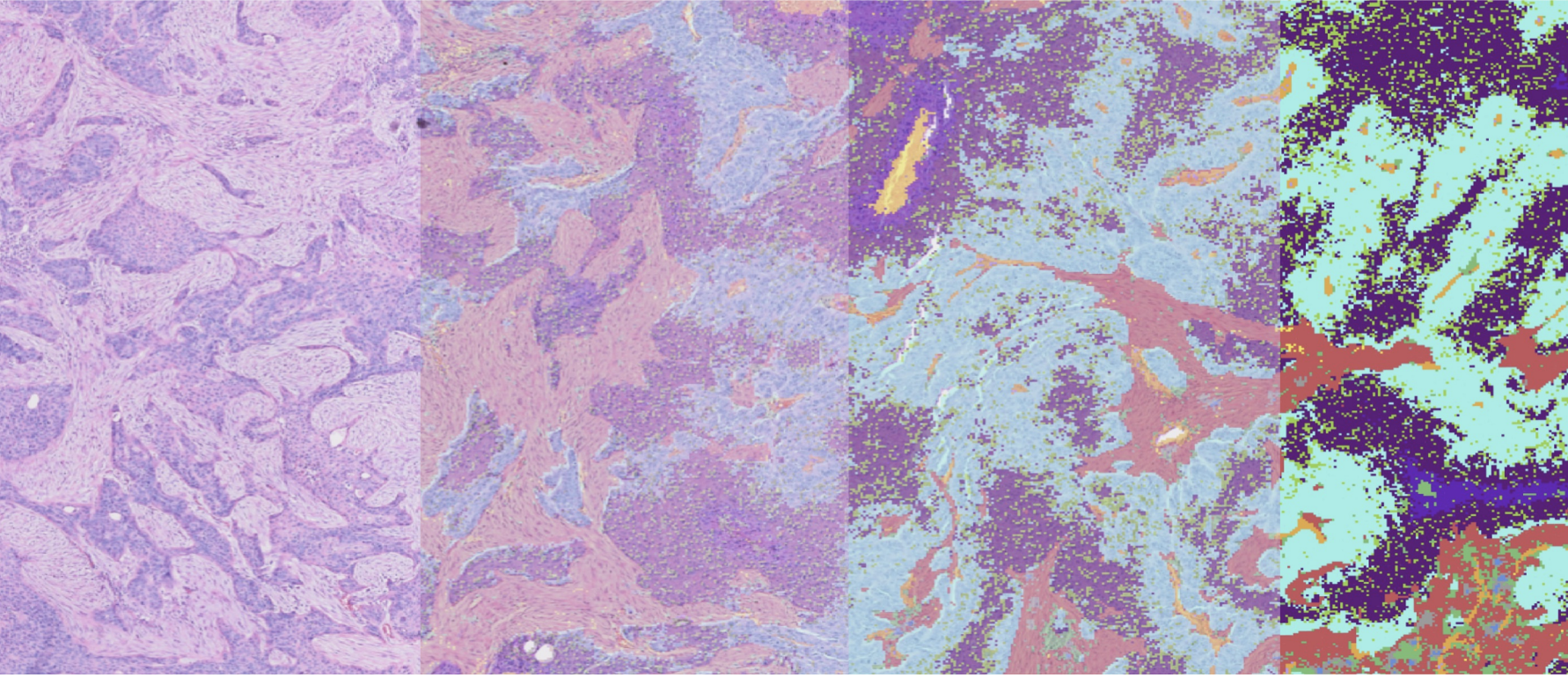
Unlocking the power of spatial data for more effective cancer treatments.
“Pioneering Clinical Trials and Diagnostic Breakthroughs: Uniting Spatial Transcriptomics with Digital Pathology for High-Quality, Clinically Validated AI Drug Discovery Biomarkers.”
Unlock deeper insights by exploring cells in their environment
Spatial biology encompasses a series of techniques that allow detailed analysis of cells within their spatial context. Researchers can use spatial biology to resolve tissue heterogeneity and better understand cell-cell interactions, leading to a better understanding of disease mechanisms and better performing predictive and efficacy monitoring biomarkers.
Using the right spatial biology tools, we can help you :
- Undertake deeper tumor microenvironment analysis to better understand disease states and progression
- Identify new drug targets
- Unravel drug mechanisms of action
- Investigate patient responses
- Accelerate spatial biomarker discovery for better patient stratification
VitalFusionAI has extensive experience in spatial biology in different and cancers. Armed with the right techniques and expertise, we help you fully unlock its potential for your cancer therapy program and enhance the chance of clinical development success.
VitalFusionAI’s Digital pathology platform provides AI data analytics and cloud-based whole slide image management to Life Sciences and Healthcare. With a world class team of data and research scientists focused on addressing some of the biggest problems in healthcare, VitalFusionAI has developed a pipeline of AI-based digital assays for preclinical research, clinical trials, and diagnostics.
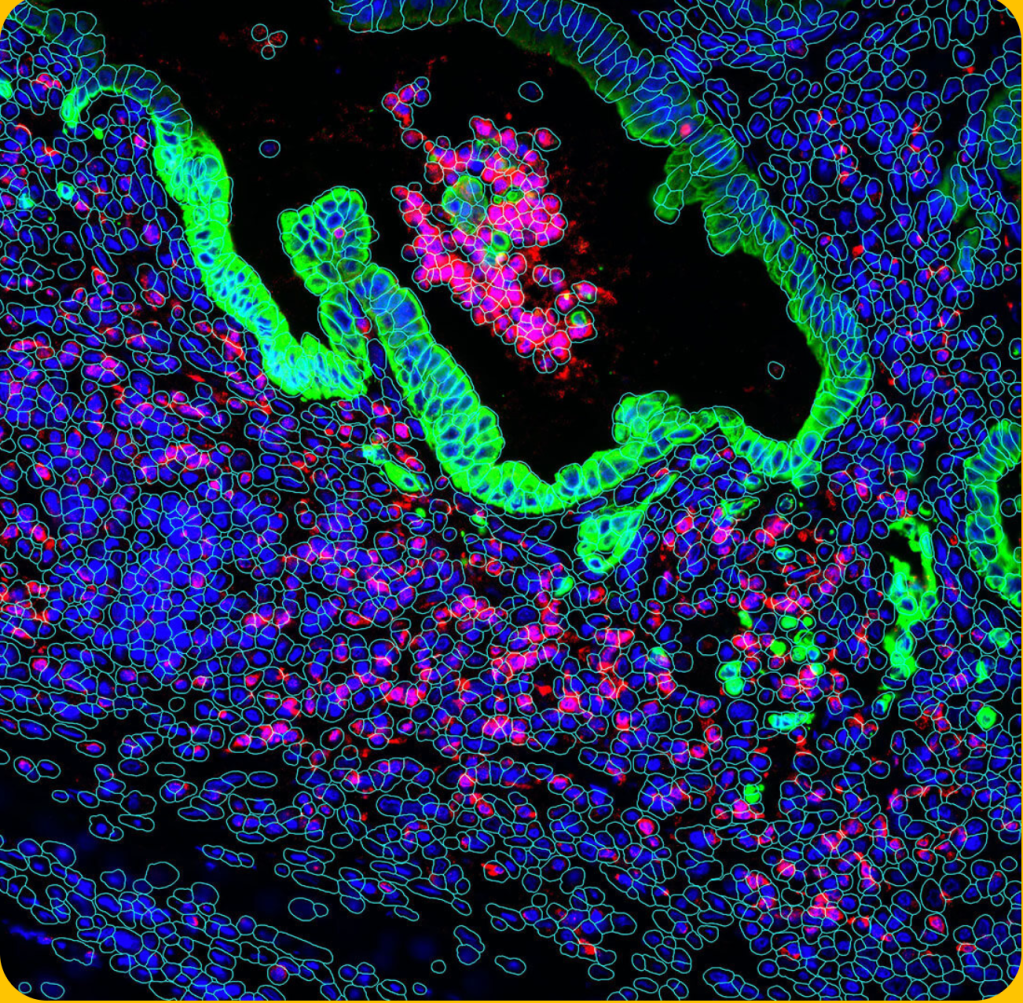
Map transcriptomes within tissue context with 10X Genomics Visium Spatial Gene Expression
The 10X Genomics Visium Spatial Gene Expression solution enables mapping of the whole transcriptome in its morphological context. At VitalFusionAI, we use the Visium CytAssist instrument, which transfers transcriptomic probes from standard glass slides onto Visium slides, facilitating the use of archived H&E sections. The Visium system can unlock spatial transcriptomics profiling insights from a broad range of Formalin-Fixed Paraffin-Embedded (FFPE) samples.
Using our internally validated Visium workflow, we can help you unveil biological architecture in normal and diseased tissues, find novel drug targets, and discover new biomarkers to help optimize your precision therapy development.
VitalFusionAI has deep experience using Visium HD Spatial Gene Expression across a range of tissue types and offers extensive data analysis capabilities:
- Automated data processing and proprietary quality control pipelines
- Spot clustering
- Cell type & spot annotation
- Gene set variation analysis
- Pathway enrichment analysis
- Differential gene expression analysis
Analysis can be tailored to specific projects. Get in touch with our experts to discuss your data analysis and visualization needs.
Employ AI/ML Models to detect new Cancer BioMarkers
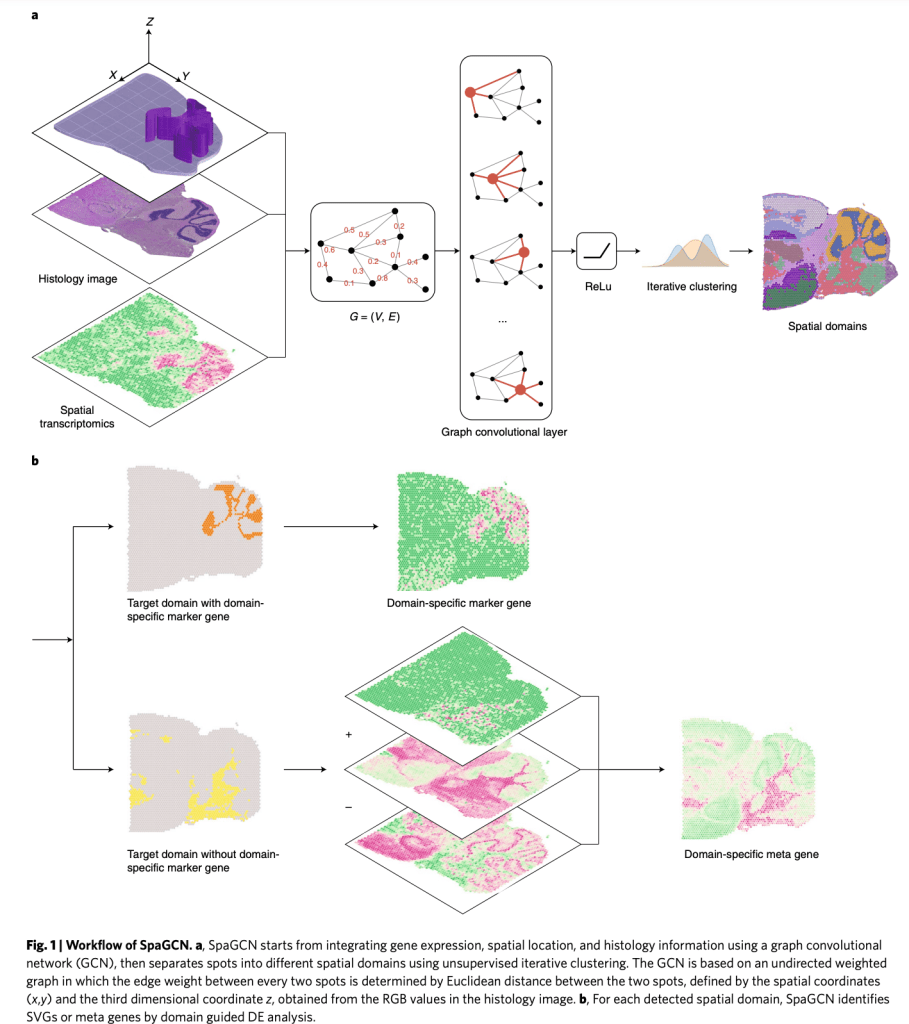
Recent advances in spatially resolved transcriptomics (SRT) technologies have enabled comprehensive characterization of gene expression patterns in the context of tissue microenvironment. To elucidate spatial gene expression variation, we use deep learning frameworks, that integrate gene expression, spatial location and histology in SRT data analysis. Through graph convolution we aggregate gene expression of each spot from its neighboring spots, which enables the identification of spatial domains with coherent expression and histology.
The subsequent domain guided differential expression (DE) analysis then detects genes with enriched expression patterns in the identified domains.
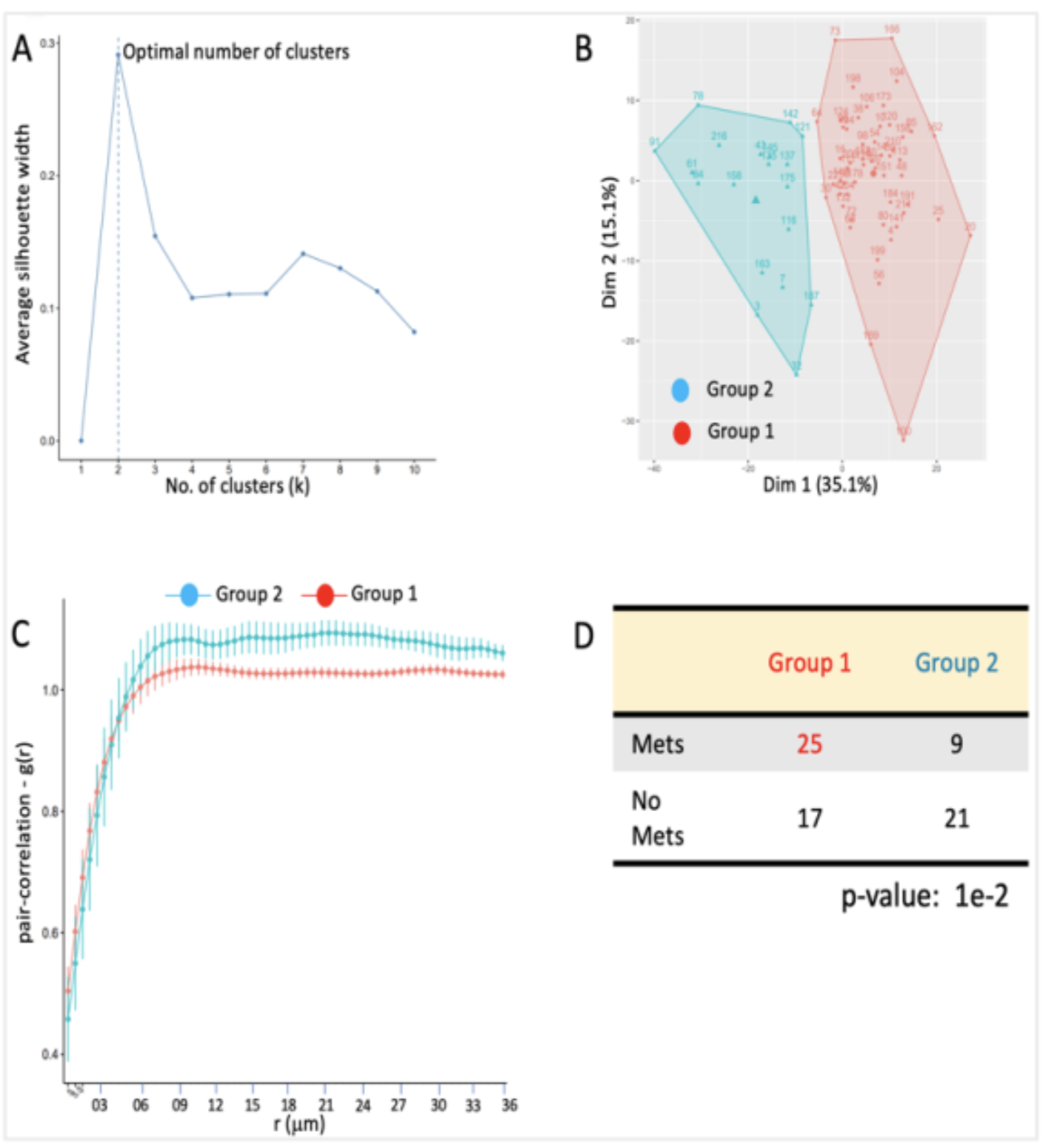
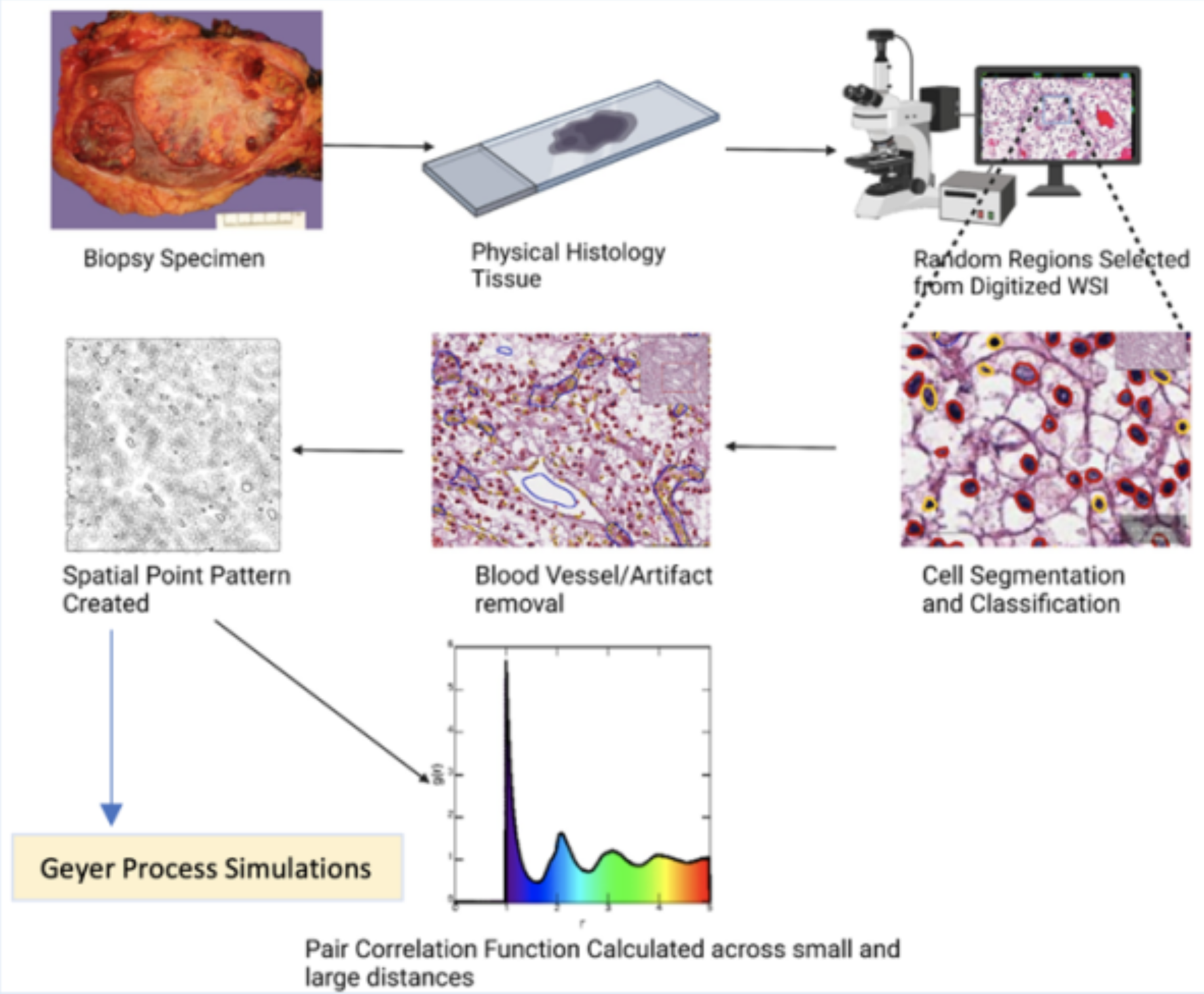
RCC and Brain Cancer work
Acquire tumor samples and partner with Research division of MD Anderson/Mayo Clinic/NY Langone Center to develop spatial transcriptomic pipelines to identify biomarkers
Initial project (or more projects depending on the funding, tumor type, etc.) RCC. Brain Oral Cancer and Lung Cancer
Profile critical genes in aggressive and non-aggressive kidney cancer tissues at a single-cell resolution level using
- Xenium and Visium HD platforms
Develop diagnostic tests that can be brought to the market worldwide
 VitalFusionAI